EV Charger Installation in Pensacola, FL
Safe Level 2 (240V, 40A to 60A) dedicated electric vehicle supply equipment (EVSE) charging circuits and hardwired wall connectors. Connect with independent qualified electrical contractors serving Pensacola and Escambia County for safe, code-compliant installations and diagnostics.
WATT911 is an independent referral network. All physical electrical work is performed by independent local contractors.
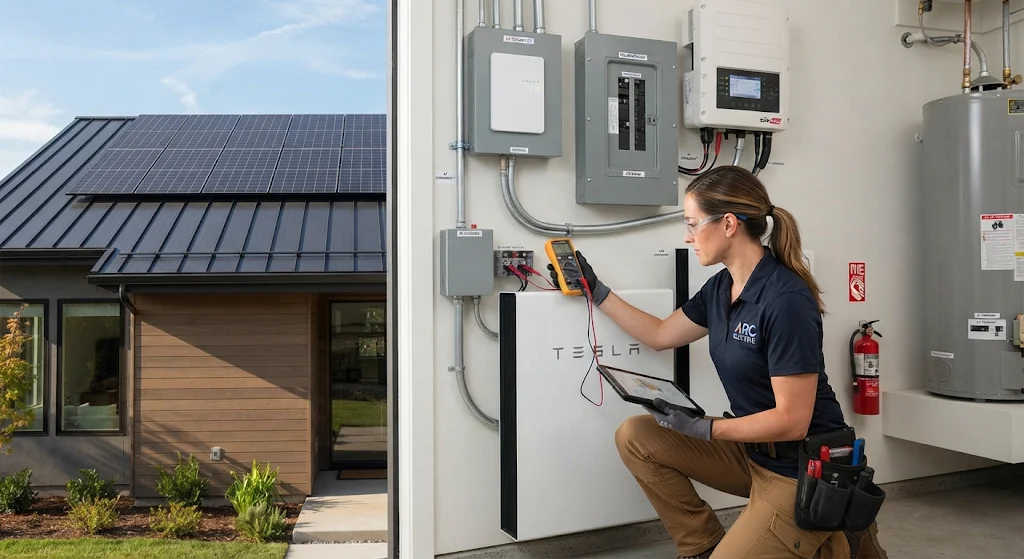
Home Electric Vehicle Charging Solutions (Level 2) in Pensacola
With the expanding adoption of electric vehicles across Florida, having a dedicated Level 2 home charging station has transitioned from a luxury to an everyday convenience in Pensacola. While standard Level 1 charging (using a standard 120V household wall outlet) adds only 3 to 5 miles of driving range per hour of charging, a dedicated Level 2 (240-volt, 32A to 48A) charger provides 25 to 45 miles of range per hour, fully recharging an EV battery overnight.
Installing an EV charging station requires specialized electrical expertise. EV charging represents a continuous electrical load (defined by the NEC as a load operating continuously for 3 hours or more). Under NEC Article 625, the branch circuit conductors and overcurrent protective devices must be rated at 125% of the charger's maximum continuous amperage draw. For example, a 48-amp hardwired charger requires a robust 60-amp dedicated circuit and heavy-gauge copper conductors.
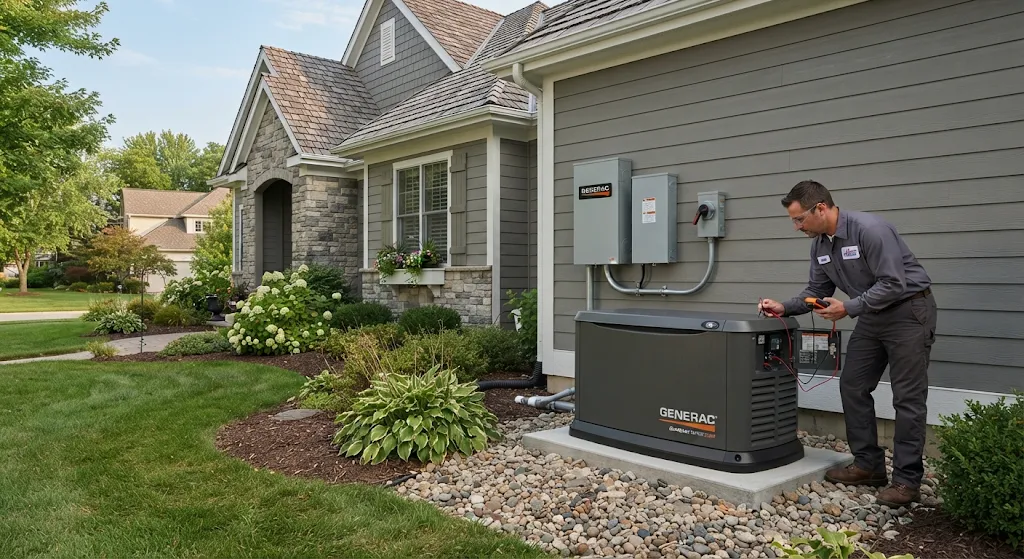
Electrical Service Capacity & Electrical Load Calculations
Before installing a Level 2 charging station in Pensacola, an independent electrical contractor must perform an electrical load calculation (per NEC Article 220). This evaluation factors in your home's square footage, heating and cooling equipment, water heater, range, and other major electrical appliances to verify that your existing service panel can safely accommodate the additional 40A to 60A continuous load.
If your service panel is rated at 100 amps or is nearing maximum load capacity, the contractor may recommend a 200-amp service panel upgrade or the installation of an intelligent dynamic energy management system (smart load-shedding device) that modulates EV charging rates based on real-time household electrical demand.
Technical Diagnostic Protocols & Precision Testing
Conductor selection is vital for residential EVSE circuits in Florida's warm climate. When conduit runs pass through exterior garage walls or hot attic spaces where temperatures can reach 130°F to 140°F, electricians must apply NEC temperature derating factors to wire ampacities. Installing 6 AWG or 4 AWG copper THHN conductors inside metal conduit ensures the circuit carries sustained high continuous current without thermal degradation.
Permits & Safety Guidelines in Escambia County
In Florida, all Level 2 EV charging circuit installations require an electrical trade permit from Pensacola or Escambia County, followed by a certified inspection. Hardwired connections are generally preferred over NEMA 14-50 receptacles for high-amp charging because hardwiring eliminates plug-in resistance points and avoids nuisance tripping associated with mandatory GFCI breaker requirements on 240V garage receptacles.
Need a Qualified Electrician in
Connect directly with independent licensed electrical contractors serving Pensacola and surrounding Florida communities. Receive prompt diagnostics, honest upfront estimates, and verified code-compliant workmanship tailored to Florida's climate and building codes.
Call (888) 605-9975 to ConnectWhy Hire an Independent Licensed Electrician in
Electrical systems carry inherent hazards of electrical shock, electrocution, and structural fires. When commissioning EV Charger Installation on your property in Pensacola, partnering with an independent licensed contractor guarantees that work adheres strictly to Florida Building Code regulations and manufacturer specifications.
- DBPR Licensure: Contractors hold active Certified Electrical Contractor (EC) or Registered Electrical Contractor (ER) licenses.
- Insurance Protection: Comprehensive commercial general liability insurance and workers' compensation coverage protect your home and assets.
- Formal Permitting: Independent contractors secure all required trade permits directly with Pensacola or Escambia County building departments, ensuring mandatory safety inspections are satisfied.
- Upfront Transparent Pricing: Receive clear written estimates outlining equipment specifications, labor, and permit fees before work begins.
WATT911 Referral Network Transparency
WATT911 operates as an independent electrical contractor referral network connecting consumers with independent trade businesses across Florida. WATT911 does not directly perform electrical diagnostics, repairs, or installations, nor do we employ electrical field staff. All project estimates, proposals, trade permits, physical labor, and warranty agreements are executed directly between you and the independent contractor.
Frequently Asked Questions: EV Charger Installation in Pensacola
Find accurate technical answers and local guidance for EV Charger Installation in Pensacola, FL.
Level 1 uses a standard 120V outlet and provides 3–5 miles of range per hour. Level 2 uses a dedicated 240V circuit (similar to a clothes dryer or electric range) and delivers 25–45 miles of range per hour.
Most homes with 200-amp service panels have sufficient capacity. Homes with 100-amp or 150-amp panels require an electrical load calculation (NEC Article 220) to determine if a panel upgrade or load-management device is necessary.
Hardwiring is generally recommended for chargers drawing 48 amps (requiring a 60A circuit). Hardwiring eliminates plug connection resistance, supports maximum charging speeds, and avoids nuisance tripping on GFCI breakers.
Yes. Outdoor EV chargers must have a NEMA 3R or NEMA 4 weatherproof rating and use UV-resistant conduit and weather-sealed junction boxes to withstand Florida sun and heavy rains.
Yes. Adding a dedicated 240-volt high-amperage circuit legally requires an electrical permit and inspection from the local building department.
Ready to Schedule EV Charger Installation in
Connect with a qualified independent electrical contractor serving Pensacola and surrounding Escambia County areas today for honest diagnostics, upfront estimates, and verified code-compliant service.